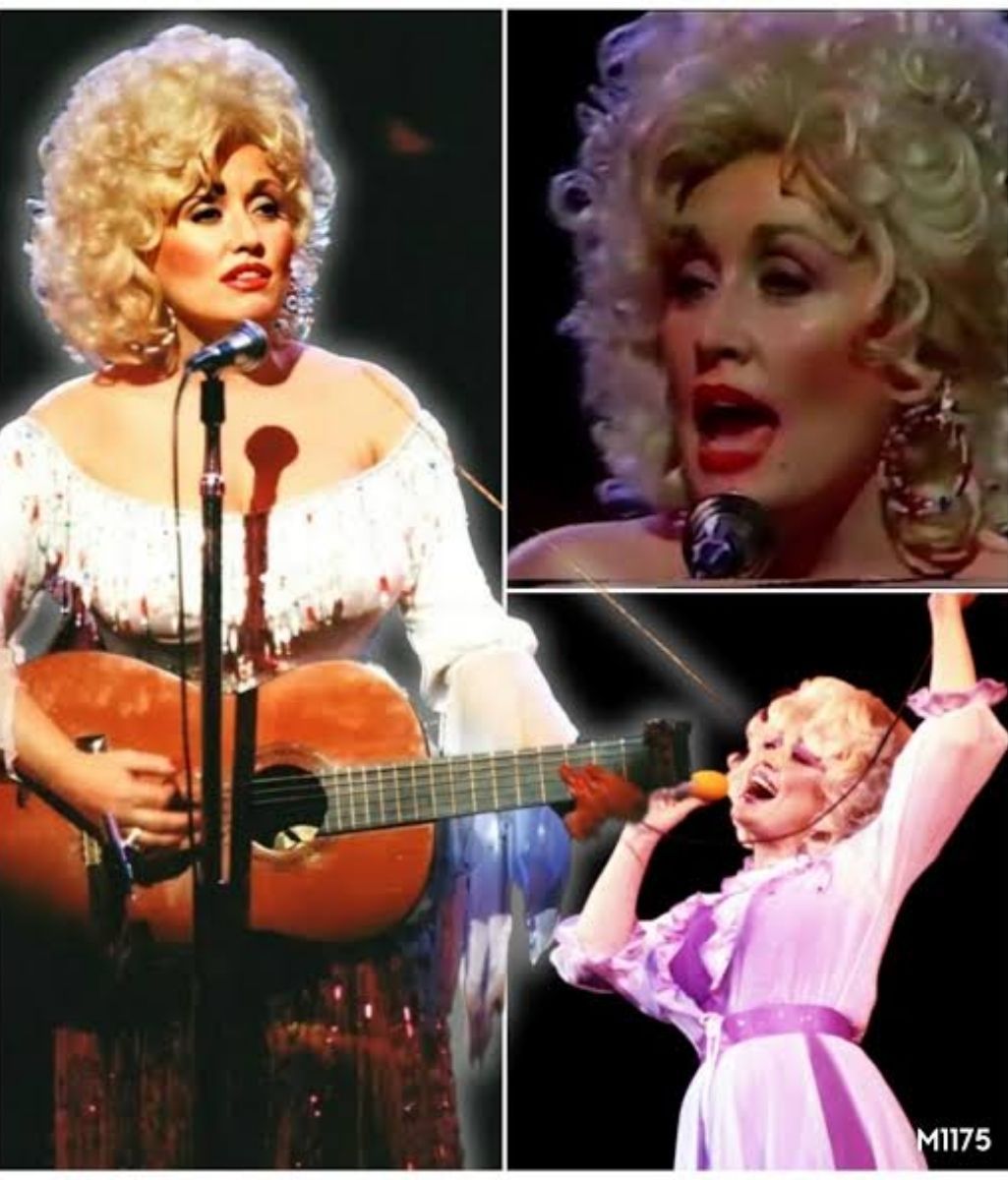
Some songs take us back to a particular summer, an old car, or a voice coming through a kitchen radio. “Coat of Many Colors” takes us somewhere even more personal — back to childhood, when something made with loving hands could feel more valuable than anything hanging in a store window.
From its opening moments, Dolly Parton does not sound as though she is performing a grand country anthem. She sounds as though she is remembering.
Released in 1971, “Coat of Many Colors” became one of the most personal and enduring compositions of Parton’s career. She wrote the song herself, drawing from her childhood growing up in a large family in rural East Tennessee, where money was scarce but music, faith, storytelling, and family bonds were abundant.
The story is beautifully simple.
Parton remembers her mother making her a coat from pieces of colorful fabric that had been given to the family. As she sewed, her mother told the biblical story of Joseph and his coat of many colors. To young Dolly, the finished garment was not evidence of poverty. It was something precious.
She wore it proudly.
Then she went to school.
There, other children saw the coat differently. Instead of seeing the care stitched into it, they saw poverty and laughed at her. That moment gives the song its emotional tension. A child arrives believing she possesses something wonderful, only to discover that the outside world measures value by a very different standard.
Parton could easily have written the memory with bitterness. She did not.
Instead, “Coat of Many Colors” becomes a gentle argument about what wealth really means.
The coat matters because her mother made it. Every patch represents effort. Every stitch carries affection. The family may not have possessed much money, but the child wearing that coat understood herself to be rich in something that could not be purchased.
That idea connected deeply with country audiences.
Many listeners who grew up in working-class or rural American families knew what it meant to wear hand-me-down clothes, repair things rather than replace them, or watch parents create something useful from whatever happened to be available. For those generations, thrift was not a lifestyle trend. Often, it was simply how families got through the week.
“Coat of Many Colors” gave dignity to those memories.
The recording was produced by Bob Ferguson and became the title song of Parton’s Coat of Many Colors album. Released as a single in 1971, it reached No. 4 on Billboard’s Hot Country Singles chart. Its importance, however, would eventually extend far beyond its original chart run.
In 2011, the Library of Congress selected Parton’s recording for preservation in the National Recording Registry, recognizing recordings considered culturally, historically, or aesthetically significant. The song has also become inseparable from the larger story of Parton herself — not merely the entertainer with rhinestones, towering hair, and an instantly recognizable voice, but the songwriter who repeatedly returned to the people and places that formed her.
That contrast is part of what makes the song so powerful.
Dolly Parton would eventually become extraordinarily successful, but “Coat of Many Colors” asks listeners to look backward, before fame and fortune, toward a little girl whose definition of riches came from her mother.
Musically, the recording wisely leaves room for the story. Dolly’s delivery is warm and conversational, with the natural clarity of someone who knows that embellishment would only get in the way. The melody carries tenderness without demanding tears.
And perhaps that is why the tears sometimes come anyway.
As listeners grow older, the coat itself can begin to symbolize other things: a meal a mother somehow stretched far enough for everyone, a father repairing an old bicycle, a grandmother sewing clothes at the kitchen table, or a Christmas when there was not much money but somehow there was enough love to make it memorable.
Those objects may disappear.
The meaning rarely does.
More than half a century after its release, “Coat of Many Colors” still reminds us that childhood wealth cannot always be measured in dollars. Sometimes the things that looked humble from the outside become the very things we would give almost anything to hold again.
And perhaps that is the question Dolly’s song quietly leaves with us:
What simple thing from your childhood seemed ordinary then — but feels priceless to you now?