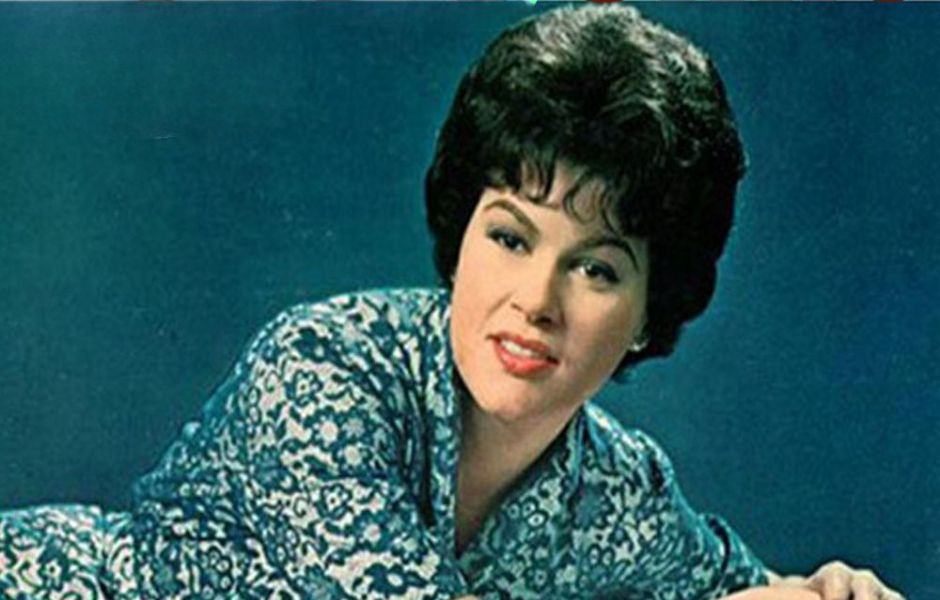
The Enduring Heartbreak of “Crazy”: A Timeless Masterpiece
There are songs that merely entertain, and then there are songs that etch themselves into the very fabric of our collective consciousness, becoming touchstones for an entire generation and beyond. Among the latter, few stand as tall, or resonate as deeply, as “Crazy” by the incomparable Patsy Cline. Released in 1961, this ballad of bewildered love and profound vulnerability didn’t just climb the charts; it laid down roots in the American songbook, blossoming into a perennial favorite that continues to captivate listeners nearly sixty-five years later. It’s a testament not only to the songwriting genius of Willie Nelson but, perhaps even more so, to the singular interpretative power of Cline, who transformed a beautifully crafted composition into an almost agonizingly real emotional experience.
For many of us who remember its initial impact, or who came to appreciate it through the decades that followed, “Crazy” wasn’t just another country hit. It was a revelation. Cline’s voice, a rich, resonant alto with an uncanny ability to convey both strength and an almost unbearable fragility, found its perfect vehicle in Nelson’s deceptively simple lyrics. The song’s genius lies in its unvarnished honesty. It doesn’t tell a story with a grand narrative arc; instead, it plunges the listener into the immediate, disorienting sensation of unrequited love, a love that persists despite all logic and reason. “Crazy for feeling so lonely,” Cline laments, her voice tinged with a blend of resignation and bewildered acceptance. It’s a sentiment that speaks volumes about the human condition, about those moments when our hearts seem to defy the sensible dictates of our minds.
What makes “Crazy” so utterly compelling, especially for a mature audience, is its nuanced portrayal of emotional turmoil. This isn’t a song of youthful infatuation or dramatic declarations; it’s a more profound exploration of a love that has gone awry, leaving the protagonist in a state of quiet desperation. The instrumentation, too, plays a crucial role in establishing this atmosphere. The gentle sway of the rhythm section, the melancholic cry of the steel guitar, and the subtle shimmer of the strings create a backdrop that is at once elegant and deeply sorrowful. It’s a sophisticated arrangement that complements Cline’s vocals perfectly, never overshadowing her, but rather elevating her performance to an almost ethereal plane.
Indeed, it’s virtually impossible to separate the song from Cline’s iconic rendition. While others have attempted to cover it, and many have done so admirably, none have ever quite captured the raw, aching authenticity that Patsy Cline brought to the piece. Her delivery is a masterclass in vocal control and emotional restraint, a delicate balance between holding back and letting go. She doesn’t belt out the lyrics with overt histrionics; instead, she imbues each word with a profound sense of weary longing, a quiet ache that resonates long after the final note fades. This is a performance that transcends genre, reaching into the universal human experience of love, loss, and the bewildering persistence of affection even in the face of heartache. “Crazy” remains, and will undoubtedly continue to be, a timeless masterpiece, a poignant reminder of the enduring power of a truly great song performed by an undeniably legendary artist.