The Enduring Heartbreak of “Jolene”: A Masterclass in Songwriting and Vulnerability
From the moment the distinctive, almost mournful, guitar arpeggio begins, there’s an undeniable pull that draws you into the world of Dolly Parton‘s timeless classic, “Jolene.” Released in 1973, this song isn’t just a hit; it’s a cultural touchstone, a masterclass in narrative songwriting that continues to resonate deeply with listeners across generations. For those of us who appreciate the art of a well-crafted tune, “Jolene” offers a profound glimpse into the human experience of insecurity, desperation, and the raw fear of loss.
At its core, “Jolene” is a plea – a desperate, almost pleading entreaty from one woman to another, begging her not to take away the man she loves. What makes this narrative so compelling isn’t just the universal theme of potential betrayal, but the sheer vulnerability with which Parton imbues every single line. There’s no anger or recrimination directed at the titular character; instead, there’s an astonishing admission of Jolene‘s undeniable beauty and charm, coupled with a deep-seated fear that these very qualities will lead to heartbreak. Parton’s brilliance lies in her ability to make the listener empathize not only with the speaker’s anguish but also, in a strange way, with the overwhelming allure of Jolene herself.
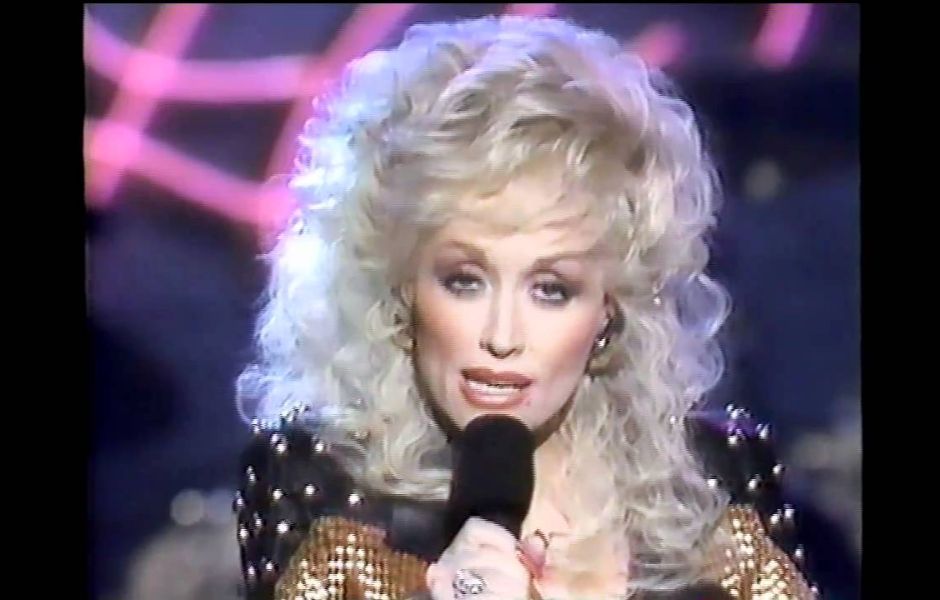
The genius of “Jolene” extends beyond its lyrical content to its musical arrangement. The simple yet unforgettable four-chord progression, coupled with that iconic, cyclical guitar riff played by Chip Young, creates an atmosphere of quiet desperation. It’s a sound that perfectly mirrors the emotional turmoil of the lyrics – a gentle, almost hypnotic rhythm that underscores the speaker’s relentless worry. Parton’s vocal performance, of course, is the undeniable heart of the song. Her delivery is a testament to her unparalleled ability to convey complex emotions with nuanced precision. The slight tremor in her voice, the subtle shifts in dynamics, and the raw sincerity with which she delivers lines like “I’m begging of you please don’t take my man” are what elevate “Jolene” from a simple country song to a work of profound artistic expression. It’s a performance that demands attention, drawing the listener into the intimate space of the speaker’s profound anxiety.
Beyond its immediate impact, “Jolene” has solidified its place in the pantheon of great American songs for several reasons. It’s a testament to the power of storytelling through music, demonstrating how a seemingly straightforward narrative can explore complex psychological landscapes. It showcases Dolly Parton‘s exceptional talent as both a songwriter and a vocalist, cementing her legacy as one of the most important figures in country music, and indeed, in popular music as a whole. For those who appreciate the subtle artistry of a song that can evoke deep emotion and tell a complete story within just a few verses, “Jolene” remains an unparalleled example. It’s a song that speaks to the timeless fears and insecurities that many of us face in our relationships, making it as relevant today as it was half a century ago.