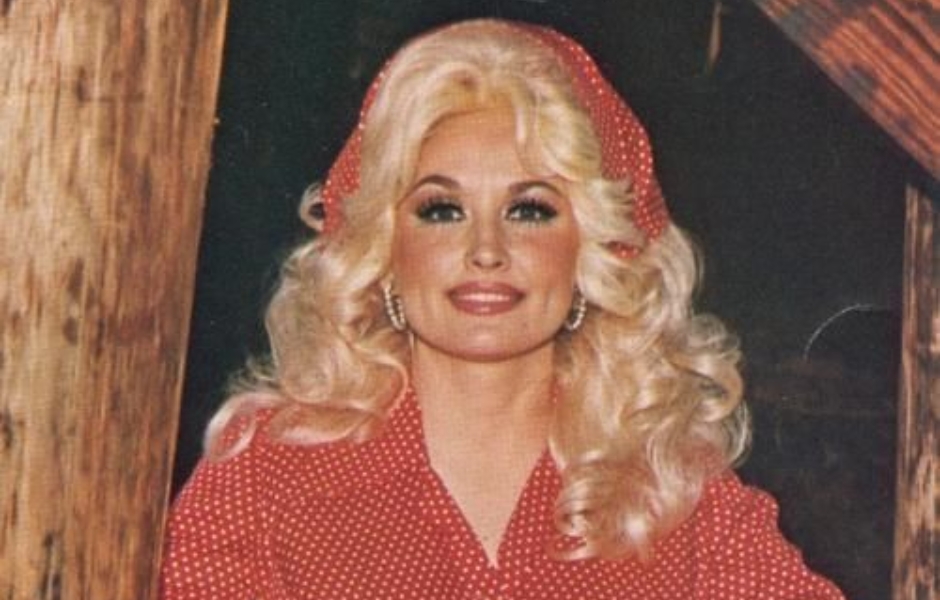
The Enduring Heart of a Song: Unpacking Dolly Parton‘s “I Will Always Love You”
There are songs that simply exist, and then there are songs that become a part of the cultural fabric, deeply embedded in our collective memory and personal experiences. Dolly Parton‘s “I Will Always Love You” undoubtedly belongs to the latter category, a ballad of profound emotional depth that has touched countless lives, transcending its country origins to become a global phenomenon. For those of us who appreciate the nuanced artistry of songwriting, it’s a piece that invites careful consideration, revealing layers of meaning with each listen.
Penned by Parton in 1973, the song’s genesis is often overshadowed by its later, more famous iterations. Yet, understanding its original context is crucial to grasping its true brilliance. Parton wrote “I Will Always Love You” as a farewell to her mentor and long-time duet partner, Porter Wagoner, as she sought to respectfully disentangle herself from their professional partnership and pursue a solo career. This wasn’t a song of romantic heartache, as it’s often perceived, but rather a poignant expression of profound respect, appreciation, and a bittersweet understanding of necessary change. It speaks to the difficult but often vital act of moving on, while holding onto the genuine affection and gratitude for what has been. The lyrics, “And I wish you joy and happiness / But above all this, I wish you love,” beautifully encapsulate this sentiment, offering a blessing rather than a lament.
Parton’s original recording, released in 1974, is a masterclass in understated elegance. Her vocal performance is tender and sincere, imbued with a quiet dignity that perfectly conveys the song’s delicate balance of longing and acceptance. The instrumentation is sparse, allowing her pure, unadorned voice to carry the full weight of the emotion. It’s a testament to the power of simplicity, demonstrating that true feeling doesn’t require elaborate embellishments. This version quickly became a country hit, reaching the top of the charts and solidifying Parton’s reputation as a gifted songwriter with an uncanny ability to tap into universal human emotions.
What truly cemented “I Will Always Love You” in the annals of music history, however, was Whitney Houston’s iconic 1992 rendition for the film The Bodyguard. Houston’s powerhouse vocal performance, with its soaring crescendos and breathtaking range, introduced the song to a new generation and an entirely different audience. While distinctly different in style from Parton’s original, Houston’s version amplified the song’s emotional impact, turning it into a dramatic declaration of unwavering devotion. It became one of the best-selling singles of all time, further illustrating the song’s remarkable adaptability and timeless appeal.
The enduring power of “I Will Always Love You” lies in its lyrical versatility. While born from a specific professional parting, its themes of unconditional affection, respectful separation, and enduring regard can be applied to myriad relationships: friendships, familial bonds, and even romantic connections. It speaks to the idea that love, in its purest form, can persist even when circumstances necessitate a parting of ways. It’s about cherishing the connection, even if the path forward diverges.
In an industry often focused on the fleeting and the trendy, “I Will Always Love You” stands as a testament to the lasting impact of genuine artistry. Whether heard through Dolly’s heartfelt original or Whitney’s powerful rendition, it remains a song that resonates deeply, a timeless reminder that some bonds, and the feelings they inspire, truly do endure. It’s a remarkable piece of musical craftsmanship, capable of stirring the soul and reminding us of the multifaceted nature of love and connection.