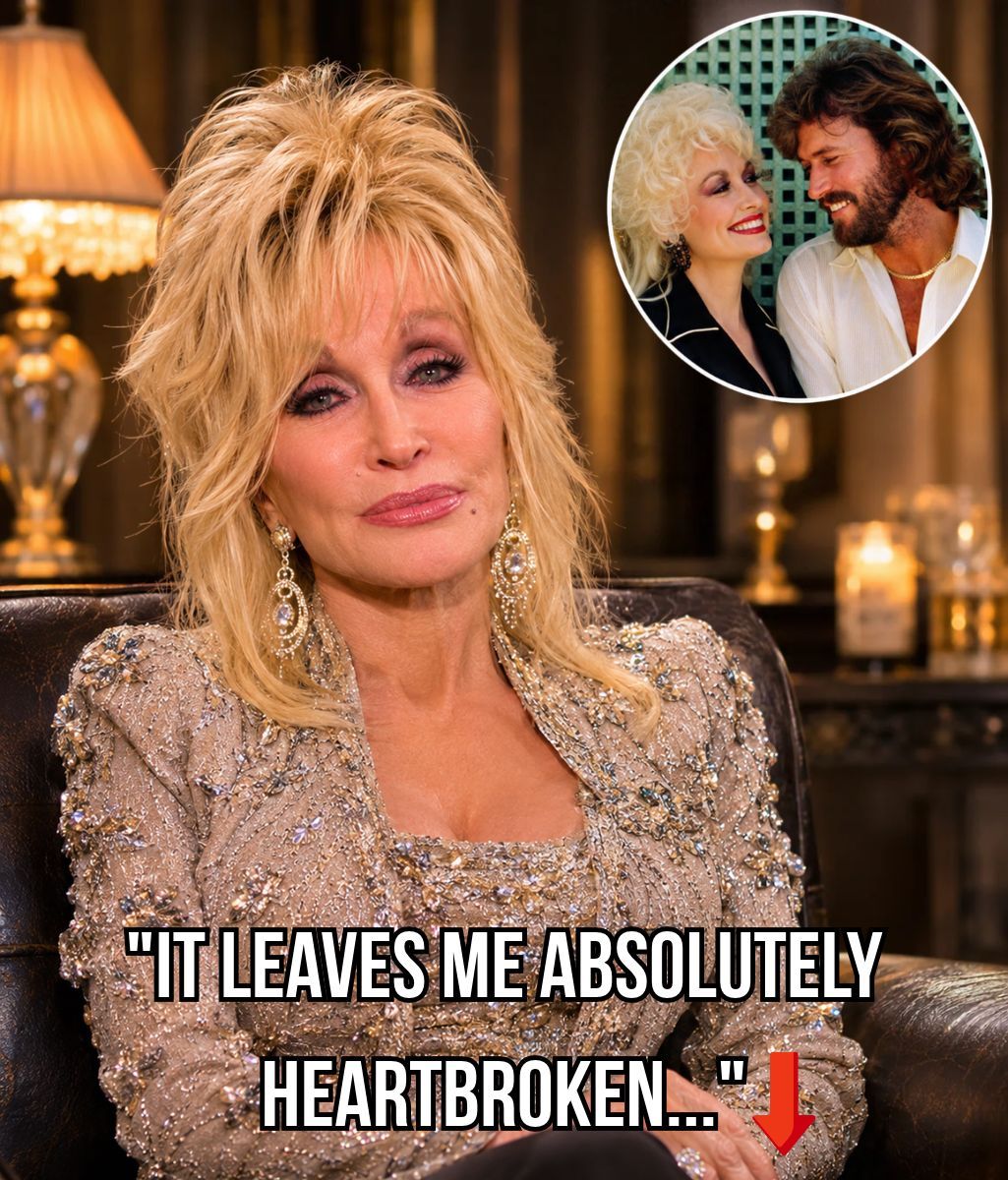
For decades, Dolly Parton and Barry Gibb represented two different musical worlds that seemed destined to meet. One was the beloved Queen of Country Music, whose songs told stories of love, sacrifice, and the struggles of ordinary people. The other was the legendary voice behind the Bee Gees, whose unforgettable harmonies helped define an entire generation. When their paths finally crossed professionally, something remarkable happened. Their collaboration revealed a connection built on mutual admiration, musical understanding, and a shared appreciation for the power of a great song. Yet behind their beautiful duet was a little-known detail that might surprise even their most devoted fans.
Their musical connection became especially meaningful through “Islands in the Stream,” the unforgettable song written by Barry, Robin, and Maurice Gibb and made famous by Dolly Parton and Kenny Rogers in 1983. The recording became one of country music’s most successful duets, reaching audiences far beyond the traditional country charts. Although Dolly and Kenny performed the song, its origins belonged to the extraordinary songwriting talent of the Gibb brothers. Barry had helped create a melody that would eventually become part of American musical history. For Dolly, the song represented another extraordinary chapter in a career already filled with remarkable achievements.
But there was an interesting surprise when Barry and Dolly finally entered the recording studio together in 2020. Despite their long musical connection through Islands in the Stream, Barry revealed that he had never actually met Dolly in person before their collaboration on “Words.” The opportunity came when Barry was preparing Greenfields: The Gibb Brothers Songbook, Vol. 1, an album that reimagined Bee Gees classics with some of country and Americana music’s most celebrated performers. When Dolly agreed to participate, Barry was delighted. He later described her as humble, warm, and wonderfully easy to work with.
Their collaboration centred on “Words,” the beautiful Bee Gees song originally released in 1968. The recording began with Dolly’s gentle interpretation of the opening verse before Barry joined her, allowing their voices to blend in a deeply emotional arrangement. There was something especially moving about hearing the two performers exchange the lyrics. Barry was revisiting a song connected to the musical history he had created with his brothers, while Dolly brought her unmistakable country warmth to a composition that had already touched generations of listeners. Producer Dave Cobb later recalled being overwhelmed when both legendary performers entered the studio.
For Barry, the experience was particularly meaningful because the Bee Gees’ music had always been inseparable from family. He had built his extraordinary career alongside his brothers, Maurice and Robin Gibb. Together, they created songs that became international classics, developed a distinctive musical identity, and experienced the extraordinary highs and painful challenges of worldwide fame. But time eventually brought devastating losses. Maurice died in 2003, followed by Robin in 2012. Barry was left as the surviving member of the original trio of brothers. Their music continued to reach millions, but the people with whom he had shared its creation were no longer beside him. That family history gives recordings from the Greenfields project an additional emotional dimension.
Dolly appeared to understand the importance of musical memories. She had spent her own life building a career in which family, friendship, and personal history played central roles. Her childhood in Tennessee had shaped her songwriting, and her relationships with fellow performers often reflected a genuine appreciation for their individual journeys. When Barry invited her to sing on “Words,” she publicly expressed how honoured she was to participate. She described him as a dear friend and shared her excitement about recording the special version of his song. Her response demonstrated that the admiration between the two artists was mutual.
What makes their performance particularly poignant is the meaning of the song itself. “Words” is built around the idea that language can be powerful, but sometimes words alone cannot fully express what someone feels. Its melody carries a sense of longing and vulnerability that seems especially appropriate for two artists who had experienced decades of extraordinary success, personal changes, and profound loss. Barry brought the history of the Bee Gees to the recording, while Dolly contributed the warmth and emotional storytelling that had defined her own musical legacy. Together, they created a version that felt less like a conventional collaboration and more like a conversation between two generations of musical history.
When Dolly died on August 25, 2026, at the age of 80, Barry Gibb joined the many artists who paid tribute to her. He shared a heartfelt message remembering her extraordinary presence and wrote: “Whenever she entered a room she sparkled and I believe she always will.” Those words captured something that fans had recognized about Dolly for decades. Her personality was inseparable from her music, and even a brief professional encounter could leave a lasting impression. Barry also sent his deepest love and condolences to her family.
There is no verified interview in which Dolly revealed a shocking secret about Barry Gibb or confessed that something he had done had left her heartbroken. Nor is there reliable evidence that their friendship was marked by a private betrayal or personal conflict. The documented story is arguably more beautiful: two legendary musicians discovered a musical connection later in their careers and created a recording that honoured the past while celebrating the present. Their relationship did not need scandal or sensational revelations to become meaningful. Their shared respect and love of music were enough.
Perhaps that is the most touching way to remember Dolly and Barry’s connection. Both artists understood that music could preserve memories long after the people who created those memories were gone. Barry continues to carry the legacy of his brothers, while Dolly’s songs remain part of the lives of millions who grew up listening to her voice. Their duet on “Words” now stands as a particularly precious musical meeting between two remarkable artists. Dolly Parton may have left the stage, but the music she shared with Barry Gibb remains — a reminder that sometimes the most powerful friendships are expressed not through grand declarations, but through a song that two people create together.