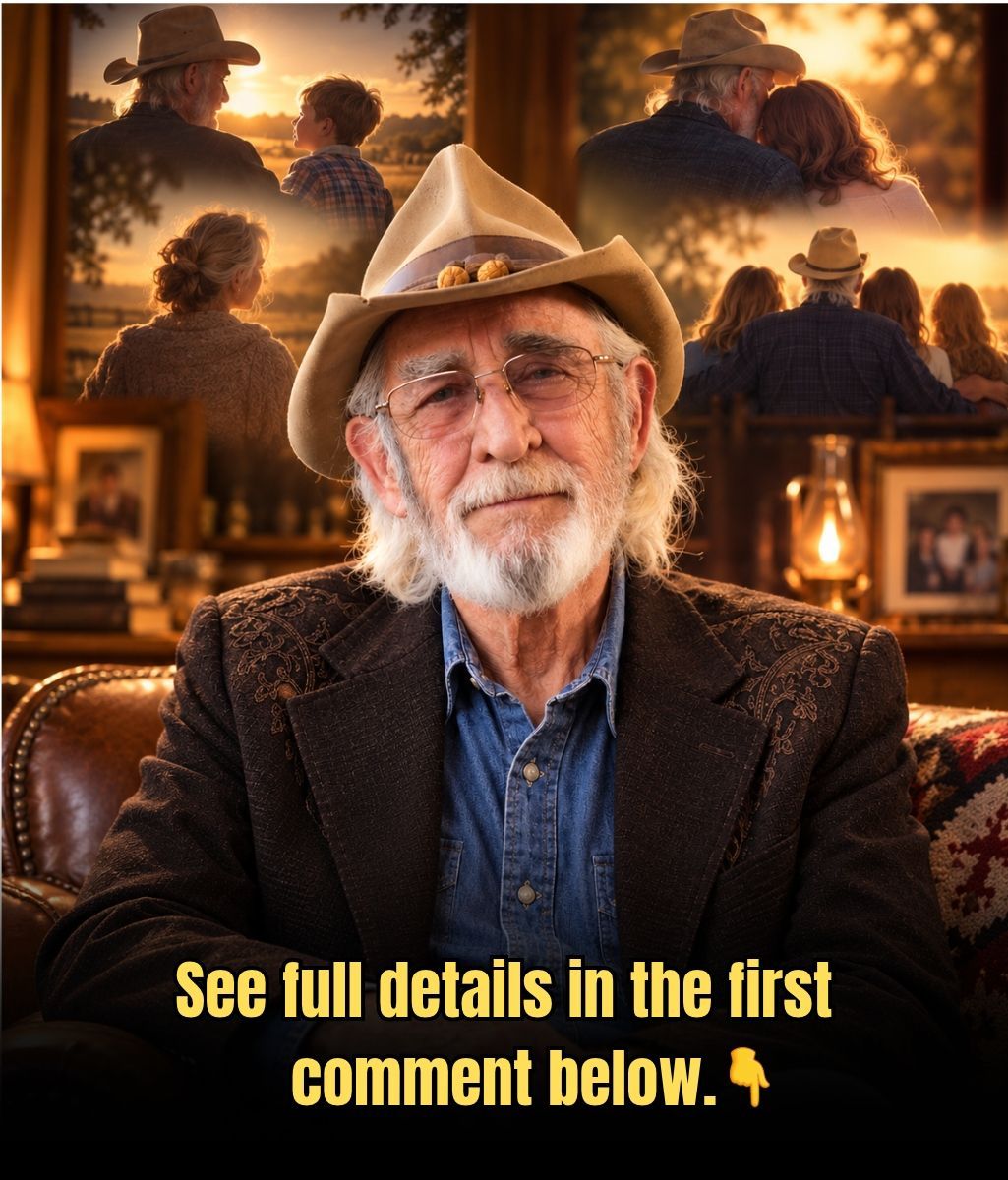
There was something special about Don Williams that set him apart from so many other country music performers. He never needed a flashy stage presence, a dramatic entrance, or a voice raised above the crowd to make people listen. With his warm baritone, gentle delivery, and honest approach to songwriting, he earned a place in the hearts of millions. Fans called him the Gentle Giant, a name that reflected not only his commanding stature but also the quiet warmth that became a defining part of his musical identity.
Throughout his remarkable career, Don gave listeners songs that seemed to understand the things people often struggled to express. His music spoke of devotion, companionship, heartache, forgiveness, and the simple comfort of having someone beside you when life became difficult. Songs such as You’re My Best Friend, I Believe in You, Tulsa Time, and Lord, I Hope This Day Is Good became enduring favorites, treasured by audiences who found something familiar and reassuring in his voice.
Yet beyond the awards, concert halls, and countless recordings, Don Williams was also a man whose life extended far beyond the stage. For many admirers, that quieter side of his story remains just as meaningful as the music itself.
Family and lasting personal connections have always been central themes in the way fans remember country music’s greatest storytellers. Don’s songs often celebrated the kind of affection that does not demand attention or grand gestures. Instead, they reminded listeners that the most important relationships are frequently built through ordinary moments: a conversation at the end of a long day, a reassuring word, or the simple knowledge that someone is there when needed.
Don Williams was born on May 27, 1939, in Floydada, Texas. Before becoming an internationally recognized country music star, he developed his musical talents through years of experience and hard work. He first gained significant attention as a member of the folk-pop group the Pozo-Seco Singers before building his celebrated solo career in country music.
His rise to prominence did not change the essential qualities that audiences came to appreciate. Don’s performances were never about overwhelming listeners with unnecessary theatrics. He understood the power of restraint. A gentle phrase, a carefully delivered lyric, or a pause between lines could communicate more than an elaborate performance ever could.
That quality helped make his music particularly meaningful to listeners who had experienced the joys and disappointments of life themselves. His songs did not insist that every story end perfectly. Instead, they offered the comfort of recognition, reminding people that uncertainty, loyalty, and hope were all part of being human.
When fans look back on Don’s life, it is natural for them to wonder about the people who stood closest to him. Who offered encouragement when his career was still developing? Who shared the ordinary experiences that never appeared in concert programs or newspaper headlines? And who helped him maintain a sense of home while his professional life carried him across the country and around the world?
These questions reflect something deeply human. We often know the songs of our favorite performers by heart, yet we remain curious about the personal experiences that shaped the people who sang them.
Don’s marriage to his wife, Joy Bucher Williams, was an important part of his personal story. The couple shared a long life together, away from much of the attention that surrounded his career. Don also had children, and his family life formed a part of the world that existed beyond his public identity as a country music star.
However, it is important to distinguish documented details about his family from stories that may circulate online. There is no verified basis here for claiming that Don Williams formally identified a definitive list of the five people he loved most before his death. Assigning names to such a list without a reliable interview or firsthand account would risk misrepresenting a private and deeply personal part of his life.
What can be appreciated without speculation is the way Don’s music reflected the importance of human connection. You’re My Best Friend, for example, became one of his best-known recordings, celebrating the comfort and happiness that come from having a trusted companion. Its enduring popularity reflects the experiences of listeners who recognize the value of a relationship built on friendship, loyalty, and shared memories.
Similarly, I Believe in You offered a message of faith in people and in the possibilities of life. Its reassuring tone helped make it one of the defining songs of his career. Rather than relying on complicated imagery, Don delivered its message with the calm sincerity that became his trademark.
His music also reminded audiences that love does not always need to be announced. Sometimes it appears in the way a person listens, the sacrifices they make, or the years they spend standing beside someone through changing circumstances.
On September 8, 2017, Don Williams passed away at the age of 78. His death marked the end of a remarkable life, but it did not diminish the place his music held in the hearts of his listeners. Tributes from fans and fellow musicians reflected the influence of an artist who had achieved international success while maintaining a distinctive, understated style.
Even years later, his recordings continue to find new listeners. Some discover him through their parents’ record collections. Others encounter his songs on the radio and recognize a warmth that feels different from the louder sounds of modern entertainment. For longtime fans, hearing his voice can bring back memories of earlier years, familiar places, and people who are no longer around to share those moments.
Perhaps that is why people continue to seek out stories about Don Williams and the relationships that mattered in his life. They want to understand the man behind the gentle voice. They want to know what sustained him, what brought him happiness, and what he valued when the demands of his career were set aside.
The most respectful way to honor that curiosity is to remember what is known while allowing room for the privacy he maintained. His legacy does not depend on an unverified revelation or a dramatic final confession.
Don Williams left behind something more enduring than a sensational headline: a body of music that continues to remind people how much kindness, companionship, and quiet devotion matter.
For those who grew up listening to the Gentle Giant, his songs remain connected to the people and experiences that shaped their own lives. A familiar melody may recall a long drive, a family gathering, or a voice that once filled the living room on a quiet evening.
And perhaps that is the most touching part of his legacy. We may never know every private thought Don carried in his heart, but through his music, we can still hear the values he expressed so beautifully.
Some artists are remembered for the attention they commanded. Don Williams is remembered for the comfort he gave. His voice remains a gentle reminder that the people who matter most are often those who make life feel a little less lonely, a little more hopeful, and a great deal more meaningful.
That is a legacy worth remembering — not because it depends on a secret list of five people, but because his songs continue to bring generations of listeners closer to the feelings that matter most.